
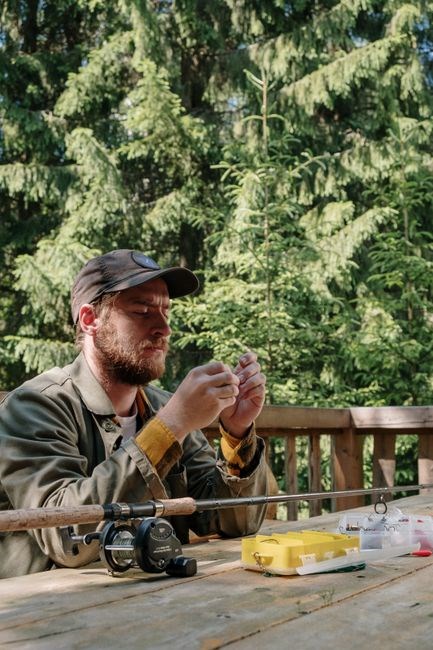
tipping a fishing guide
Why Tipping a Fishing Guide Matters: Tipping reinforces the professional partnership and recognizes the guide’s expertise.
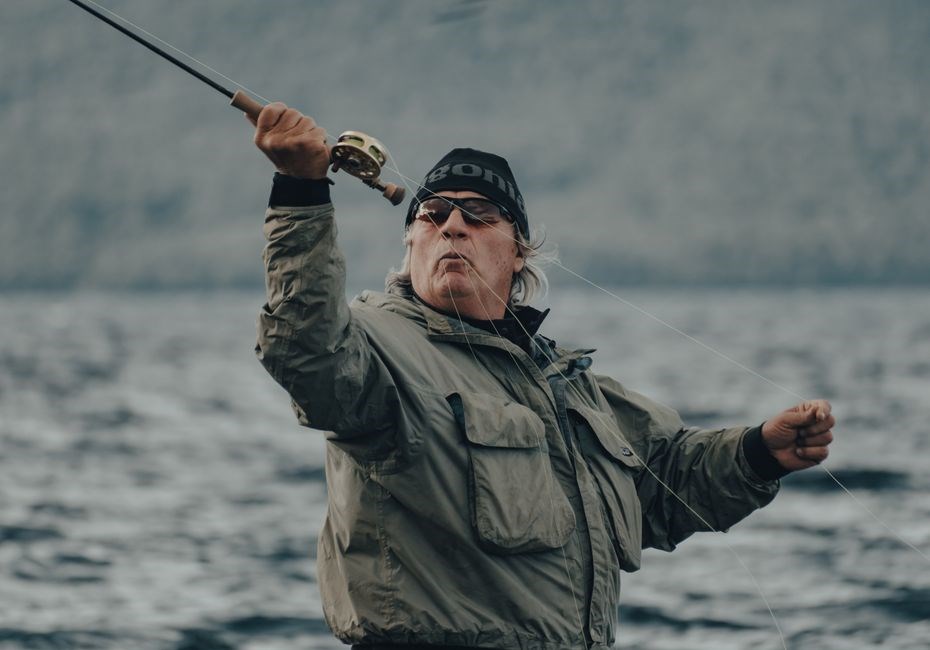
Tipping a guide rewards their expertise and strengthens the partnership. A fair tip encourages guides to focus on your success, maintain high standards, and build lasting trust that benefits future trips.Guides appreciate a tip that reflects the day’s quality, often leading to future recommendations.
Creates Mutual Trust and Long‑Term Access: A fair tip encourages guides to prioritize your fishing experience and maintain high service standards.
A well‑timed tip is more than a gesture; it signals that you value the guide’s skill and the effort they invest in curating a memorable day on the water. When anglers consistently leave a fair tip, guides are motivated to allocate resources—such as scouting prime spots, preparing gear, and adjusting tactics—to maximize your catch potential. This reciprocal respect builds a partnership that extends beyond a single outing. Guides who feel appreciated are more likely to share insider knowledge, recommend the best fishing techniques for the local species, and remain available for future trips. Over time, this creates a network of trusted professionals who can offer priority access to coveted fishing grounds, especially in competitive or remote areas. The result is a smoother, more productive experience for the angler, with higher catch rates and a stronger sense of community. Moreover, a culture of fair tipping encourages guides to maintain high service standards, from punctuality to safety protocols, ensuring that every trip meets or exceeds expectations. By investing in this relationship, anglers secure not only a better day on the water but also a reliable partner for future adventures, turning a one‑time excursion into a lasting, mutually beneficial connection. Guides who exceed expectations become experts for species, ensuring anglers miss prime catch.!
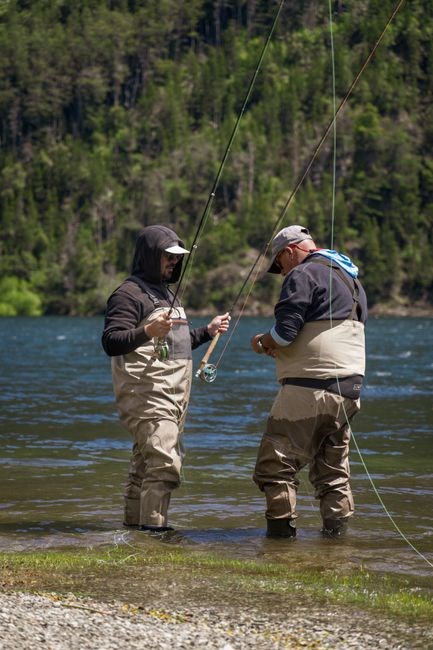
Standard Tip Ranges to Expect: Guides typically receive 10–20% of the trip cost or a flat $50–$100 per day, depending on the region.
Most guides expect 10–20% of the trip cost or a flat $50–$100 per day. In the U.S., a 15% tip on a $400 day is common, while in Alaska a $75 daily fee is typical. Caribbean tours often use a flat $60 rate regardless of total cost. In remote lakes, a $120 tip is appreciated. Thanks for the catch. :)!!
Regional Variations and Common Practices: In Alaska, tips might lean toward the higher end, while Caribbean tours often use a flat daily rate.
In the Pacific Northwest, anglers often tip 12–18% of the day’s cost, reflecting the guide’s skill and the cost of fuel and permits. Coastal British Columbia sees a mix of percentage and flat fees, with many guides preferring a $70–$90 daily rate to cover lodging and meals. In the Great Lakes region, a 10–15% tip is customary, though some remote cabins add a $50 bonus for gear and transport. The Gulf Coast, especially in Louisiana and Texas, typically uses a flat $50–$80 per day, as the cost of boats and bait is lower. In the Caribbean, the norm is a flat $60–$100 daily, regardless of trip length, because many tours include lodging and meals. In Alaska, the higher cost of fuel, remote access, and higher skill levels pushes tips to 20–25% of the total or a $150–$200 daily fee, especially on ice‑fishing or salmon runs. In the Midwest, where fishing is often done on smaller lakes, a 10% tip or a $30–$50 daily fee is common. In the Southwest, desert‑lake trips see a 12–18% tip, with some guides adding a $40 extra for gear rental. Across all regions, guides appreciate a tip that reflects the day’s effort, the cost of supplies, and the overall experience. A thoughtful tip not only rewards the guide’s expertise but also encourages future recommendations and repeat business. Seasonal variations also influence tipping; during peak salmon season, guides often receive 25% of the day’s fee, while in spring trout runs, a flat $70 per day is common. When budgets are tight, a modest tip of 8% or a $30 daily fee keeps guides motivated ! ! !

Key Factors That Adjust Tip Amounts: Consider the guide’s skill level, the trip’s technical difficulty, and the remoteness of the fishing location.
Guides with advanced certifications earn higher tips; a day of deep‑water or ice fishing demands more skill, so a 20% tip is common. Remote trips that require extra travel or gear rental push the tip toward a fixed $150–$200 daily. Weather challenges add to the value, encouraging a generous tip. thanks!
Influence of Equipment and Extra Services: If the guide supplies gear, boats, or lodging, the tip may shift toward a fixed daily fee.
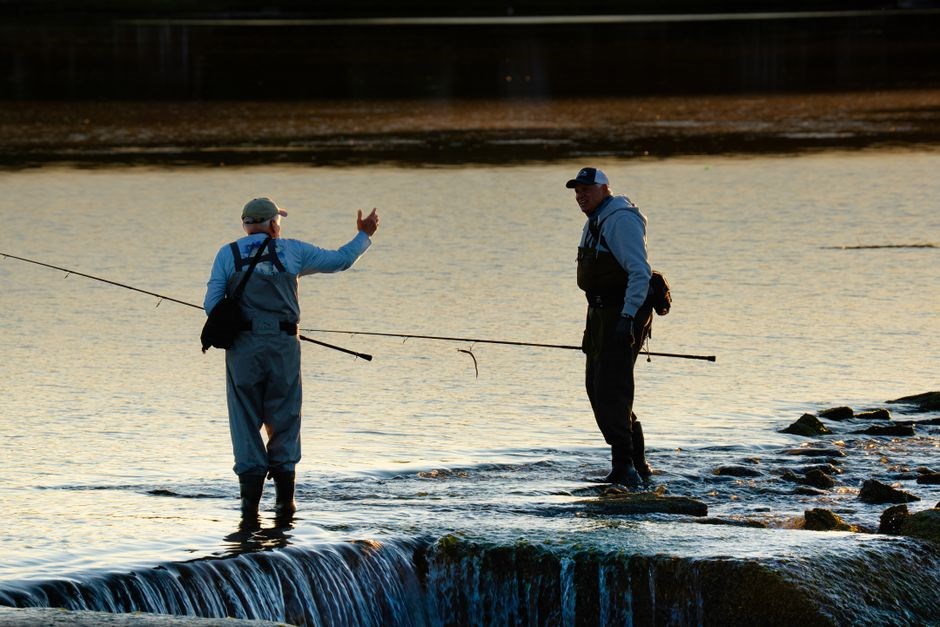
When a guide provides essential fishing gear—such as rods, reels, lures, and specialized tackle—the cost of those items is already embedded in the trip price. In many regions, especially remote or high‑end destinations, the guide’s fee includes the rental of boats, motorboats or even small yachts, and sometimes the provision of overnight cabins or tents. Because these services add significant value, it is customary to move from a percentage‑based tip to a flat daily rate. A typical fixed tip ranges from $75 to $150 per day, depending on the level of equipment and the quality of lodging. For example, a day on a deep‑water charter that supplies a full set of premium rods, a professional‑grade boat, and a comfortable cabin might warrant a $120 tip, whereas a simpler day trip with basic gear and a shared tent might fall in the $75 range. This approach ensures that the guide’s compensation reflects the true cost of the services rendered, rather than a simple percentage of the trip cost, which could be disproportionately low for high‑value trips. Additionally, tipping in cash or a direct bank transfer often allows the guide to avoid credit‑card fees, preserving the full amount of the tip. When in doubt, ask the guide about their preferred tipping method and confirm the expected daily rate before the trip begins. By aligning the tip with the equipment and services provided, anglers help maintain a fair partnership and encourage guides to continue offering top‑notch equipment and accommodations for future clients. Thank you!!
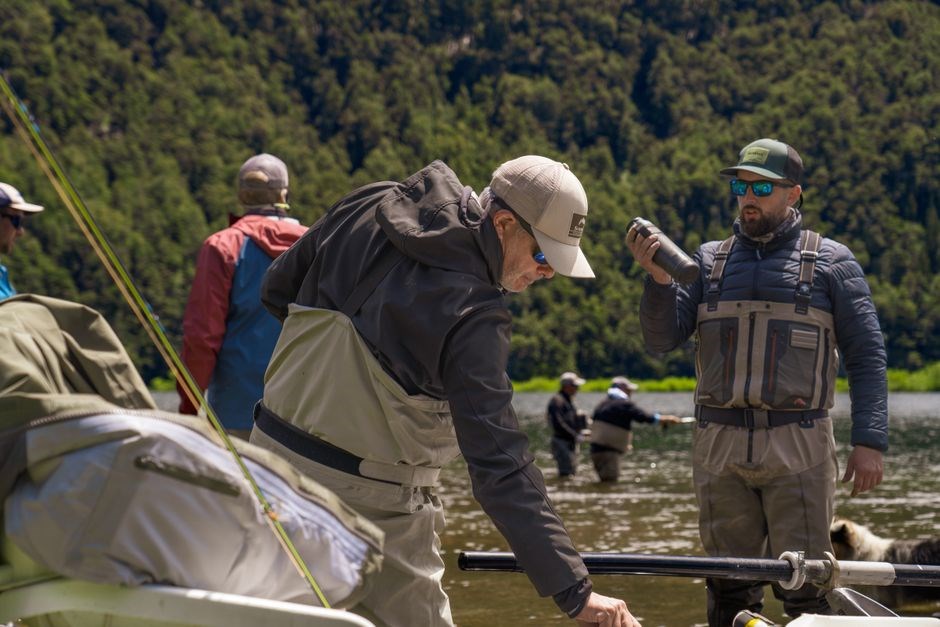
When to Give Your Tip: Most anglers tip at the trip’s conclusion, but some prefer daily increments for extended trips.
Most anglers wait until the final day to hand over the tip, treating it as a single payment that reflects the entire experience. However, for multi‑day trips, many choose to split the tip, giving a small daily amount each day to acknowledge ongoing effort and service. Anglers adjust tips for weather.Now.
Choosing Between Day‑End and Trip‑End Tipping: Daily tipping acknowledges consistent effort; a single trip‑end tip consolidates the total.
Choosing between day‑end and trip‑end tipping can shape the guide’s motivation and the angler’s experience. Daily tipping rewards consistent effort, ensuring the guide stays focused throughout each fishing session. It also allows anglers to adjust the amount as the trip unfolds, reflecting weather changes, catch quality, or additional services such as boat maintenance or gear rental. A single trip‑end tip consolidates the total, simplifying the payment process and often signaling a comprehensive appreciation of the entire excursion. Anglers who prefer a single payment may find it easier to budget, while those who enjoy daily increments can provide immediate feedback and reinforce positive behavior. Both approaches have merits, and the best choice often depends on trip length, guide expectations, and personal preference. For short trips, a day‑end tip can be more meaningful, whereas for multi‑day adventures a trip‑end tip may reduce administrative hassle. Some guides even suggest a hybrid model: a modest daily tip plus a larger final payment to cover any unforeseen expenses. Ultimately, the goal is to reward expertise, encourage high service standards, and maintain a professional partnership that benefits both parties. When deciding, consider the guide’s experience level; experienced guides may expect a higher tip; Local customs influence tipping norms; some regions use a flat daily rate, others a percentage. Transparency is key—discuss tipping expectations upfront to avoid misunderstandings. Finally, remember that tipping is a reflection of satisfaction; a well‑timed tip can lead to better future recommendations and stronger rapport. and joy!!!
Preferred Payment Methods: Cash is favored for immediate access, but many guides now accept card or mobile payment apps.
Cash remains king for instant access, but many guides now accept cards or mobile apps. Card payments ease travel, yet processing fees can trim the tip. Mobile wallets offer speed, though some guides still prefer a quick cash hand‑shake for reliability. Guides value clarity; verify payment method ahead.
Cash remains king for instant access,but many guides now accept cards ormobile apps.Card payments ease travel,yet processing fees can trim 10–15% of a $75 tip.Guides often absorb this,but few part the fee,reducing your net.To avoid surprises,ask the guide beforehand if they accept cardsandwhether they will pass the fee to you.If you’re on a tight budget,a small cash tip can be more rewarding for the guideand keeps the transaction simple.For larger trips,consider a split:a modest cash amountplus a card tip that covers the fee,ensuring the guide receives the full intended reward.Always confirm the final amount after fees so you know exactly how much the guide keeps.
Guides often invest in safety gear,local permits,and knowledge that can cost thousands. When you tip,you help offset these hidden expenses,ensuring the guide can continue offering quality trips.Some agencies recommend adding a small percentage of the total cost to the tip,especially for multi‑day excursions.If you’re traveling with a group,consider splitting the tip proportionally so each guide receives fair compensation.Finally,always keep a receipt or note of the tip amount;this transparency builds trust and helps the guide manage their finances responsibly.
A tip is a gesture of gratitude that keeps the fishing community thriving. It can unlock future trips and deepen the guide‑client bond now today!
Rewarding Exceptional Performance: A substantial extra tip signals outstanding catch rates or exceptional customer service.
A generous tip for an exceptional guide signals gratitude for record catch rates, expert navigation, and stellar service. A 20–30% bonus reflects the guide’s skill and effort, encouraging continued excellence and fostering a lasting partnership. Your generosity keeps the partnership strong.!!!
Recognizing Extra Effort or Challenges: Guides who navigate difficult weather or secure rare species deserve a bonus above the norm.
When a guide tackles stormy seas, extreme cold, or remote reefs, the skill required rises sharply. A tip that exceeds the standard 10–20% acknowledges the guide’s risk management, navigation precision, and calm under pressure. Similarly, securing a prized species—such as a trophy salmon or a rare reef fish—demands advanced knowledge of migration patterns, bait selection, and timing. In these cases, a bonus of 25–30% or a flat $75–$150 per day signals appreciation for the guide’s expertise and the value added to the trip. Many anglers choose to split the extra amount into a daily increment, ensuring the guide receives consistent support throughout the excursion. This practice not only rewards exceptional performance but also encourages guides to maintain high standards, fostering a mutually beneficial relationship that can lead to repeat bookings and positive word‑of‑mouth referrals. Additionally, guides who spend extra hours scouting, setting up gear, or navigating treacherous currents often face higher fuel and equipment costs; a generous tip helps offset these expenses and demonstrates respect for the guide’s dedication. When the weather turns, guides may need to adjust routes, use specialized equipment, or maintain safety protocols, all of which add to the complexity of the day. A thoughtful bonus tip shows that the angler values the guide’s professionalism, expertise, and the unique experience they create.
Guides who also manage logistics—such as arranging permits, coordinating with local authorities, or handling unexpected equipment failures—often work beyond the scheduled hours. A tip that reflects these additional responsibilities reinforces the angler’s appreciation and encourages continued excellence in service.
Your tip matters!
Avoiding Common Tipping Pitfalls: Neglecting to tip or leaving it to the host can damage future relationships.
Skipping a tip or deferring it to the host can strain the guide’s trust and reduce future access. Guides rely on tips for fair compensation; withholding one signals disrespect and may lead to higher rates or refusal of service. Clear, timely tipping preserves goodwill and ensures continued partnership.
When Budget Constraints Arise: If finances are tight, opt for a modest tip and express gratitude verbally; guides value genuine appreciation.
When finances are tight, a modest tip still shows respect for the guide’s expertise and effort. A small amount—perhaps 5–10% of the trip cost or a flat $20–$30—signals appreciation while staying within budget. If cash is limited, consider a partial tip in cash and a larger card or mobile payment later, or a handwritten thank‑you note that highlights specific moments. Guides value genuine gratitude; a sincere “thank you” and a brief recap of the day’s highlights can reinforce the partnership more than a large sum. If you’re unable to tip at all, a verbal expression of thanks and a promise to recommend the guide to friends can help maintain goodwill. Remember, consistent, honest appreciation builds long‑term relationships and may lead to better service or lower rates on future trips. In addition, sharing a photo of a memorable catch on social media with a tag for the guide can boost their visibility and attract new clients, indirectly rewarding them. Finally, if you’re traveling with a group, pooling a small tip per person ensures everyone contributes fairly without overburdening any single traveler. This collaborative approach fosters a sense of shared responsibility and keeps the guide’s morale high, even when the budget is constrained. Even a simple handwritten thank‑you card left on the boat can leave a lasting impression, especially when the guide has spent hours navigating challenging waters or securing rare species. By acknowledging these efforts, you reinforce the guide’s professional identity and encourage continued excellence. If you have a spare moment, ask the guide about local regulations or conservation efforts; showing interest in the environment further demonstrates respect for their knowledge. Additionally, offering to cover the cost of a small souvenir for the guide—such as a personalized fishing lure—can be a meaningful gesture that acknowledges their role in your adventure. These thoughtful actions, combined with a modest tip, create a balanced approach that respects both your budget and the guide’s professional worth. Sincerity matters; heartfelt thanks outshine exact amounts always more!
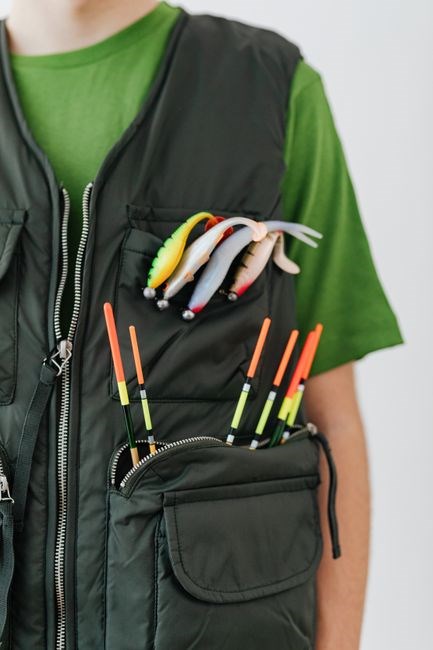
Non‑Monetary Ways to Show Gratitude: Positive online reviews, referrals, or small, thoughtful gifts can complement or replace a cash tip.
Share a glowing review on TripAdvisor, Yelp, or the guide’s website. Recommend the guide to friends or family. Gift a small token—like a personalized fishing lure or a local craft—to acknowledge their expertise. These gestures keep the partnership strong and memorable. Add a thank‑you note for warmth very.
Leaving a Meaningful Review or Referral: A detailed, honest testimonial amplifies the guide’s reputation and opens opportunities for future trips.
After a memorable fishing adventure, take a few minutes to draft a review that highlights specific moments—whether it was the guide’s knowledge of local waters, the patience in teaching techniques, or the enthusiasm that kept the group engaged. Mention the gear quality, the safety measures, and any unexpected catches that made the day special. A balanced tone that acknowledges both strengths and constructive feedback shows genuine appreciation and helps the guide refine their service. Your thoughtful words not only boost the guide’s morale but inspire them to continue sharing passion and expertisefor anglers.
When posting online, choose platforms the guide frequents—TripAdvisor, Google Reviews, or a dedicated fishing forum. Use clear, descriptive language: “The guide’s deep understanding of the lake’s currents led to a record‑setting catch.” Include photos if possible, as visual proof of the experience. If you’re part of a travel group, consider writing a referral note that the guide can share with potential clients, offering a brief summary of why you recommend them.
Beyond digital praise, a handwritten thank‑you card or a small token—such as a locally sourced snack or a custom fishing lure—can leave a lasting impression. These gestures reinforce the professional bond and encourage repeat business, ultimately benefiting both the guide and future anglers.