

peptic ulcer diet pdf
Peptic Ulcer Diet: A Comprehensive Guide (PDF Focus)
Navigating a peptic ulcer diet involves understanding food triggers and beneficial choices‚ often detailed in comprehensive PDF guides․ Focus on gentle‚ anti-inflammatory foods like berries‚ olive oil‚ and probiotic sources․
Understanding Peptic Ulcers
Peptic ulcers are sores that develop in the lining of the stomach‚ lower esophagus‚ or small intestine․ These painful sores occur when stomach acid damages the lining․ While often associated with Helicobacter pylori (H․ pylori) infection or long-term use of nonsteroidal anti-inflammatory drugs (NSAIDs)‚ diet plays a crucial supportive role in managing symptoms and promoting healing․
A peptic ulcer diet isn’t about causing ulcers‚ as research indicates diet isn’t a primary cause‚ but rather about minimizing irritation and aiding the body’s natural healing processes․ Understanding which foods exacerbate symptoms – like acidic or spicy options – and incorporating soothing alternatives is key․ PDF guides often detail these nuances‚ providing structured meal plans and food lists․
Effective management involves a holistic approach‚ including medical treatment alongside dietary adjustments․ Focusing on easily digestible foods and avoiding irritants can significantly improve comfort and quality of life for those living with peptic ulcers․
What Causes Peptic Ulcers? (Brief Overview)
Peptic ulcers primarily arise from two main causes: infection with the bacterium Helicobacter pylori (H․ pylori) and prolonged use of nonsteroidal anti-inflammatory drugs (NSAIDs) such as ibuprofen or naproxen․ H․ pylori damages the protective mucus lining of the stomach and duodenum‚ allowing acid to cause an ulcer․ NSAIDs reduce the body’s ability to produce protective substances‚ similarly exposing the lining to acid․
While stress and diet were once considered major factors‚ current understanding emphasizes these as contributing to discomfort rather than directly causing ulcers․ However‚ certain foods can aggravate existing ulcers․ A peptic ulcer diet‚ often detailed in PDF resources‚ focuses on mitigating these aggravations․
Less common causes include rare conditions like Zollinger-Ellison syndrome‚ which causes the stomach to produce excessive acid․ Regardless of the cause‚ a proper diagnosis and treatment plan‚ alongside dietary considerations‚ are essential for effective management․
The Role of Diet in Managing Ulcers
Diet doesn’t cause peptic ulcers‚ but significantly impacts symptom management and healing․ A well-planned peptic ulcer diet‚ often outlined in detailed PDF guides‚ aims to reduce stomach acid‚ minimize irritation‚ and promote the repair of the ulcerated lining․ Focusing on easily digestible foods is crucial‚ lessening the digestive burden on a sensitive system․
The core principle involves identifying and avoiding trigger foods – those that increase acid production or directly irritate the ulcer․ Conversely‚ incorporating foods with anti-inflammatory properties and those that support gut health can be incredibly beneficial․ This includes prioritizing smaller‚ more frequent meals to avoid overfilling the stomach․
A diet rich in fiber‚ lean proteins‚ and probiotics‚ as detailed in many peptic ulcer diet PDFs‚ can contribute to a healthier digestive environment‚ aiding in the overall healing process and reducing discomfort․
Foods to Include in a Peptic Ulcer Diet
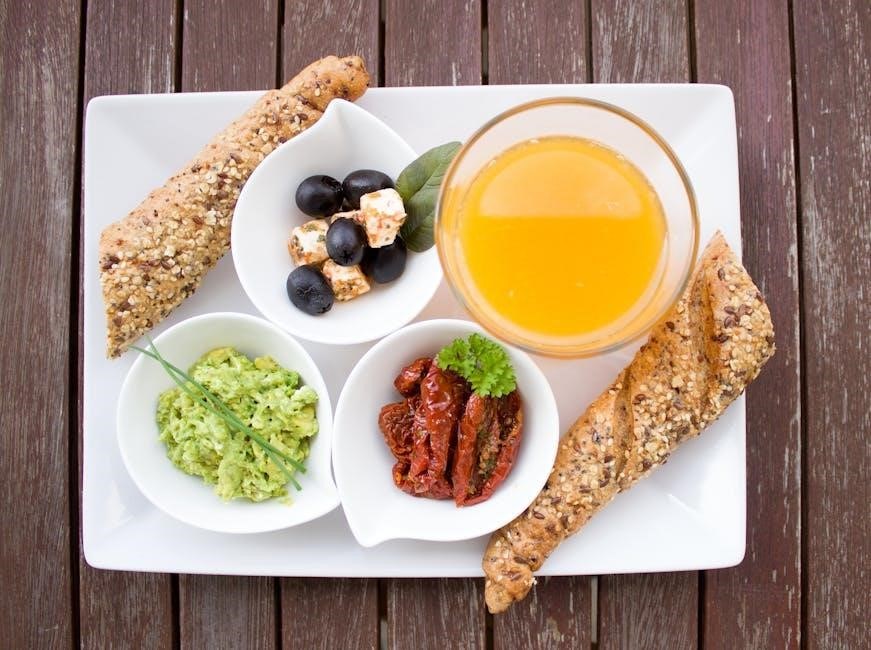
PDF guides recommend incorporating berries‚ leafy greens‚ lean proteins‚ whole grains‚ and probiotic-rich foods like yogurt․ Olive oil and decaffeinated green tea are also beneficial․
Berries: A Powerful Antioxidant Source
PDF resources on the peptic ulcer diet consistently highlight berries – blueberries and cherries specifically – as excellent additions․ Their strength lies in being packed with antioxidants‚ compounds that combat oxidative stress and inflammation within the digestive system․ This is particularly crucial for ulcer healing‚ as inflammation can exacerbate symptoms and hinder recovery․
Berries are generally gentle on the stomach‚ unlike acidic fruits like citrus․ They offer a naturally sweet flavor without the need for added sugars‚ which can sometimes worsen digestive issues․ The antioxidants in berries may also help protect the stomach lining from damage caused by Helicobacter pylori‚ a common bacterial cause of ulcers․

Incorporating a serving of berries into your daily diet‚ as suggested in many peptic ulcer diet PDFs‚ is a simple and delicious way to support gut health and potentially accelerate the healing process․ They can be enjoyed fresh‚ frozen‚ or blended into smoothies for easy consumption․

Leafy Greens & Cabbage: Natural Anti-Ulcer Compounds
Peptic ulcer diet PDF guides frequently emphasize the benefits of leafy greens and cabbage․ These vegetables contain compounds believed to possess natural anti-ulcer properties‚ offering a protective layer for the stomach lining․ Specifically‚ cabbage contains glutamine‚ an amino acid that may help strengthen the mucosal barrier and promote healing․
Leafy greens‚ such as spinach and kale‚ are rich in vitamins and minerals essential for overall health and recovery․ They provide antioxidants that combat inflammation‚ a key factor in ulcer development and discomfort․ These vegetables are also easily digestible when cooked‚ minimizing strain on the digestive system․
Many PDF resources recommend incorporating cooked leafy greens and cabbage into meals regularly․ Steaming or lightly sautéing these vegetables preserves their nutrients and makes them easier to tolerate․ They represent a valuable‚ natural component of a comprehensive peptic ulcer diet plan․
Lean Proteins: Gentle on Digestion
Peptic ulcer diet PDF resources consistently highlight the importance of lean proteins․ Unlike fatty meats‚ lean protein sources are easier to digest‚ reducing the amount of acid your stomach needs to produce․ This lessened digestive burden can significantly alleviate ulcer symptoms and promote healing․ Excellent choices include skinless poultry‚ fish‚ and legumes․
These proteins provide essential amino acids necessary for tissue repair‚ crucial when the stomach lining is compromised․ PDF guides often suggest preparing lean proteins through gentle cooking methods like baking‚ grilling‚ or poaching‚ avoiding frying which adds unnecessary fat․
Eggs are also frequently recommended as a readily digestible protein source․ Prioritizing lean proteins over high-fat alternatives is a cornerstone of managing a peptic ulcer diet‚ as outlined in many comprehensive PDF guides‚ contributing to overall digestive comfort and recovery․
Whole Grains & Oatmeal: High Fiber for Gut Health
Peptic ulcer diet PDF guides frequently emphasize the benefits of incorporating whole grains and oatmeal into your meal plan․ The high fiber content in these foods plays a vital role in promoting overall gut health and aiding digestion․ Fiber helps regulate bowel movements‚ preventing constipation which can exacerbate ulcer discomfort․
Oatmeal‚ in particular‚ is often recommended due to its soothing properties and gentle impact on the stomach lining․ Whole grains like brown rice and quinoa provide sustained energy and essential nutrients without causing excessive acid production․ PDF resources suggest choosing minimally processed whole grains․
These options are preferable to refined grains‚ which lack the beneficial fiber․ A diet rich in whole grains and oatmeal‚ as detailed in many peptic ulcer diet PDFs‚ supports a healthy digestive system and contributes to ulcer management and healing․
Probiotic-Rich Foods: Yogurt & Kefir
Peptic ulcer diet PDF resources consistently highlight the importance of probiotic-rich foods like yogurt and kefir for supporting digestive health․ These fermented foods contain live cultures – beneficial bacteria – that help restore balance to the gut microbiome․ A healthy gut microbiome is crucial for optimal digestion and can aid in ulcer healing․
Yogurt‚ particularly Greek yogurt‚ provides a good source of protein alongside probiotics․ Kefir‚ a fermented milk drink‚ often contains a wider variety of probiotic strains and may be even more beneficial․ PDF guides recommend choosing plain‚ unsweetened varieties to avoid added sugars that can worsen inflammation․
Regular consumption of yogurt and kefir‚ as outlined in many peptic ulcer diet PDFs‚ can help reduce bloating‚ improve nutrient absorption‚ and strengthen the gut’s natural defenses against harmful bacteria‚ contributing to overall digestive wellness․
Olive Oil: Anti-Inflammatory Benefits
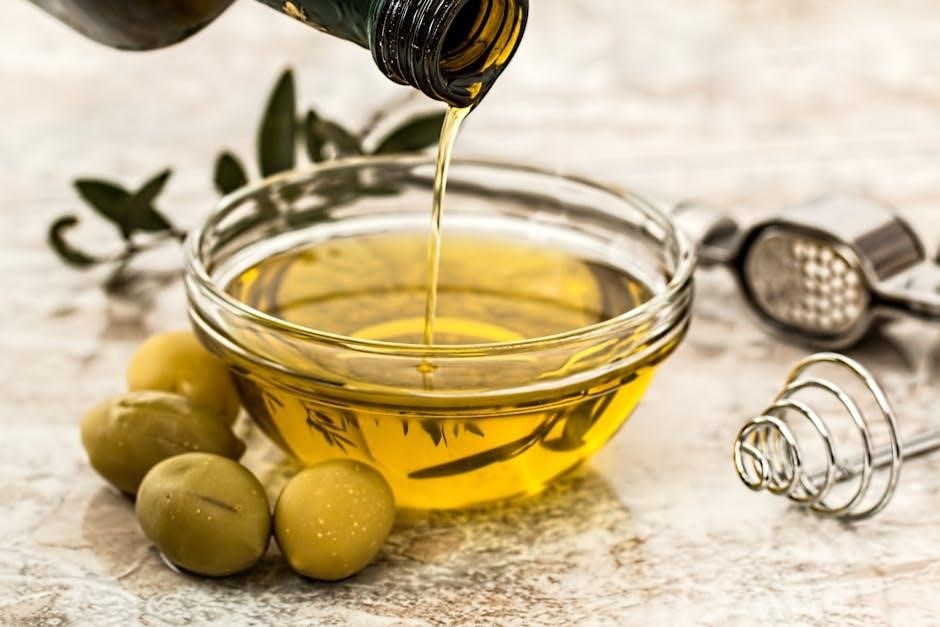
Peptic ulcer diet PDF guides frequently emphasize the inclusion of olive oil due to its potent anti-inflammatory properties․ Extra virgin olive oil‚ in particular‚ is rich in polyphenols – natural compounds that combat inflammation and protect against cellular damage within the digestive tract․ Chronic inflammation can exacerbate ulcer symptoms‚ making olive oil a valuable dietary component․
PDF resources suggest incorporating olive oil into meals as a cooking oil‚ salad dressing‚ or drizzled over cooked vegetables․ It’s a gentle fat source that’s less likely to irritate the stomach lining compared to fried or processed fats․ The anti-inflammatory effects can help soothe irritation and promote healing․
Many peptic ulcer diet plans‚ detailed in PDF formats‚ recommend choosing high-quality extra virgin olive oil and using it in moderation as part of a balanced dietary approach to manage ulcer symptoms and support gut health․
Decaffeinated Green Tea: Soothing Properties
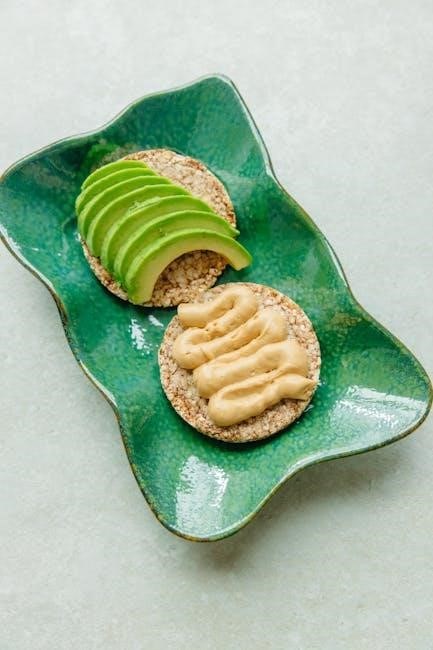
Peptic ulcer diet PDF guides often highlight decaffeinated green tea as a beneficial beverage choice‚ primarily due to its soothing and protective qualities․ While caffeine can stimulate acid production‚ decaffeinated green tea offers similar antioxidant benefits without that drawback․ These antioxidants‚ particularly catechins‚ may help reduce inflammation and protect the stomach lining․
PDF resources emphasize that green tea’s gentle nature can help calm digestive discomfort associated with ulcers․ It’s often recommended as a warm‚ comforting drink between meals․ However‚ it’s crucial to ensure it’s decaffeinated to avoid exacerbating symptoms․
Many peptic ulcer diet plans‚ detailed in PDF formats‚ suggest incorporating a cup or two of decaffeinated green tea daily as part of a holistic approach to managing ulcer symptoms and promoting overall digestive wellness․ It’s a gentle alternative to other beverages․
Foods to Avoid with Peptic Ulcers
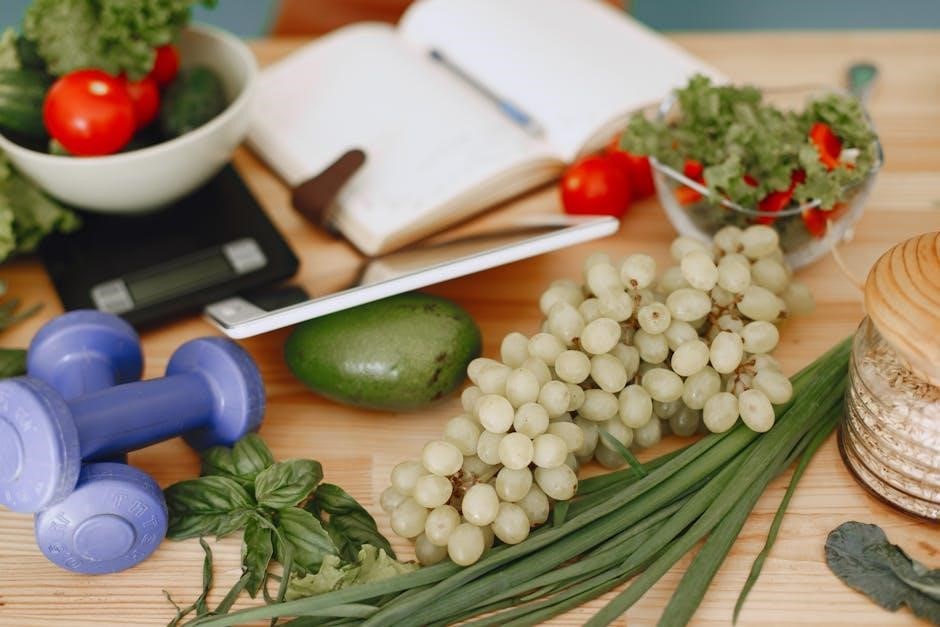
Peptic ulcer diet PDFs advise avoiding acidic‚ spicy‚ and fatty foods․ Limit citrus‚ fried items‚ alcohol‚ and caffeine to minimize irritation and promote healing․
Citrus Fruits: Acidity Concerns
Peptic ulcer diet PDF resources consistently highlight citrus fruits – including oranges‚ grapefruits‚ lemons‚ and limes – as foods to potentially avoid or significantly limit․ This recommendation stems from their high acidity levels․ The acid content can exacerbate existing ulcer symptoms‚ causing increased pain‚ bloating‚ and discomfort for individuals already experiencing digestive distress․
While not universally problematic for everyone‚ the acidity in citrus can irritate the ulcerated lining of the stomach or duodenum․ Some individuals may tolerate small amounts‚ but larger portions or frequent consumption are generally discouraged․ It’s crucial to listen to your body and note any correlation between citrus intake and symptom flare-ups․
PDF guides often suggest alternatives like non-acidic fruits‚ such as bananas or pears‚ which are gentler on the digestive system․ If you enjoy citrus‚ consider consuming it with meals rather than on an empty stomach‚ as food can help buffer the acidity․ However‚ careful monitoring of your individual tolerance is always recommended․
Fried & Fatty Foods: Digestive Stress
Peptic ulcer diet PDF guides universally advise minimizing or avoiding fried and high-fat foods․ These foods place a significant burden on the digestive system‚ slowing down the emptying of the stomach and increasing acid production․ This prolonged exposure to acid can irritate the ulcer and hinder the healing process․
Fatty foods stimulate the release of cholecystokinin‚ a hormone that encourages gastric acid secretion․ For individuals with ulcers‚ this increased acidity can intensify pain and discomfort; Fried foods‚ in particular‚ are difficult to digest and can contribute to bloating and nausea․
PDF resources recommend opting for leaner protein sources like baked or grilled chicken or fish‚ prepared without excessive oil․ Choosing healthier cooking methods‚ such as steaming‚ baking‚ or poaching‚ is crucial․ Prioritizing easily digestible foods reduces the strain on the digestive system‚ allowing the ulcer to heal more effectively․ Careful label reading is essential to identify hidden fats in processed foods․
Spicy Foods: Irritation Potential
Peptic ulcer diet PDF materials consistently highlight spicy foods as a significant irritant for ulcer sufferers․ While spices don’t cause ulcers‚ they can exacerbate existing symptoms and delay healing․ Capsaicin‚ the compound responsible for the heat in chili peppers‚ can stimulate acid production and inflame the stomach lining․
Many PDF guides recommend completely avoiding chili peppers‚ cayenne pepper‚ and other potent spices․ Even milder spices‚ like black pepper or paprika‚ may cause discomfort in sensitive individuals․ The irritation isn’t a direct chemical burn‚ but rather a stimulation of acid secretion and increased sensitivity of the ulcerated area․
PDF resources suggest flavoring foods with herbs instead of spices․ Gentle herbs like parsley‚ basil‚ or oregano offer flavor without the irritating effects․ Paying attention to individual tolerance is key; some may handle small amounts of mild spice‚ while others require strict avoidance․
Alcohol: Ulcer Aggravation
Peptic ulcer diet PDF guides universally advise against alcohol consumption during ulcer treatment and recovery․ Alcohol is a potent irritant to the gastrointestinal tract‚ directly aggravating the inflamed lining of the stomach and duodenum․ It increases acid production‚ hindering the healing process and potentially worsening existing ulcer symptoms․
PDF resources emphasize that alcohol doesn’t just irritate; it also erodes the protective mucus layer of the stomach‚ making it more vulnerable to acid damage․ Even moderate alcohol intake can significantly delay ulcer healing and increase the risk of complications like bleeding․
Different types of alcoholic beverages – beer‚ wine‚ or spirits – all pose a risk․ PDF materials often recommend complete abstinence from alcohol until a healthcare professional confirms ulcer healing․ Substituting non-alcoholic beverages is crucial for supporting digestive health and promoting recovery․
Caffeine: Increased Acid Production
Peptic ulcer diet PDFs consistently highlight caffeine as a substance to significantly limit or eliminate․ Caffeine‚ found in coffee‚ tea‚ and many sodas‚ stimulates gastric acid secretion․ This increased acidity can directly irritate an existing ulcer and impede the healing process‚ exacerbating discomfort and pain․
PDF guides explain that even decaffeinated green tea‚ while generally soothing‚ should be consumed in moderation․ The primary concern remains the stimulation of acid‚ regardless of caffeine levels․ Individuals experiencing ulcer symptoms often find relief by reducing or completely cutting out caffeine intake․
PDF resources often suggest alternatives like herbal teas or water to maintain hydration without triggering acid production․ Monitoring symptom response after caffeine consumption is crucial․ Complete avoidance is generally recommended during active ulcer treatment‚ as outlined in most comprehensive peptic ulcer diet plans․
Carbonated Beverages: Bloating & Discomfort
Peptic ulcer diet PDFs universally advise against consuming carbonated beverages․ The bubbles in these drinks—soda‚ sparkling water‚ and even some juices—cause bloating and distension in the stomach․ This increased pressure can irritate the ulcerated lining‚ intensifying pain and discomfort․
PDF guides explain that carbonation doesn’t directly increase acid production‚ but the physical expansion within the stomach exacerbates existing ulcer symptoms․ This bloating can also lead to feelings of fullness and nausea‚ hindering proper nutrition․
PDF resources emphasize that avoiding carbonated drinks is a simple yet effective step in managing ulcer symptoms․ Opting for still water‚ herbal teas‚ or diluted fruit juices is recommended․ Careful label reading is essential‚ as carbonation can be a hidden ingredient in various beverages․ Symptom tracking after consumption helps determine individual tolerance levels‚ as detailed in comprehensive peptic ulcer diet plans․
Dietary Guidelines for Peptic Ulcer Management
Peptic ulcer diet PDFs stress smaller‚ frequent meals‚ gentle cooking methods‚ and ample hydration․ Smoking cessation and stress management are also vital for healing․

Meal Frequency: Smaller‚ More Frequent Meals
Peptic ulcer diet PDF resources consistently emphasize the importance of shifting from three large meals to five or six smaller meals throughout the day․ This approach significantly reduces the amount of acid your stomach needs to produce at any given time‚ lessening irritation to the ulcerated areas․
Larger meals can cause a surge in acid production‚ potentially exacerbating pain and delaying healing․ By distributing your food intake‚ you maintain a more consistent and manageable level of gastric acid․
These smaller portions should be carefully chosen‚ prioritizing ulcer-friendly foods as outlined in comprehensive guides․ Avoid overeating‚ even with healthy options‚ as this can still stimulate acid release․
Consistent meal timing is also beneficial‚ helping to regulate digestive processes․ A structured eating schedule‚ combined with smaller portions‚ provides a gentler environment for ulcer recovery and symptom management‚ as detailed in many PDFs․
Cooking Methods: Prioritize Gentle Cooking
Peptic ulcer diet PDF guides universally recommend prioritizing gentle cooking methods to minimize digestive stress․ Harsh cooking techniques can strip foods of vital nutrients and potentially increase irritation․ Steaming‚ poaching‚ boiling‚ and baking are consistently highlighted as optimal choices․
Avoid frying and grilling‚ as these methods introduce excess fats which can slow digestion and exacerbate ulcer symptoms․ Raw foods‚ while nutritious‚ may also be harder to digest for individuals with ulcers‚ so gentle cooking is often preferred․
When preparing meals‚ focus on retaining the natural textures of foods‚ avoiding overly processed or heavily seasoned dishes․
PDF resources often include specific recipes utilizing these gentle techniques‚ demonstrating how to create palatable and ulcer-friendly meals․ The goal is to prepare food that is easily digestible and minimizes stimulation of acid production‚ supporting the healing process․
Hydration: Importance of Water Intake
Peptic ulcer diet PDF resources consistently emphasize the critical role of adequate hydration in managing ulcer symptoms and promoting healing․ Water helps dilute stomach acid‚ reducing irritation to the ulcerated lining․ Aim for at least eight glasses of water daily‚ and increase intake during warmer weather or periods of physical activity․
Beyond water‚ herbal teas – particularly decaffeinated green tea‚ often recommended in these guides – can contribute to fluid intake while offering soothing properties․ However‚ avoid citrus-based juices and carbonated beverages‚ as they can worsen symptoms․
Proper hydration also supports overall digestive function‚ aiding in the efficient processing of food and minimizing constipation‚ which can exacerbate ulcer discomfort․
PDF guides often suggest sipping water throughout the day rather than consuming large amounts at once‚ maintaining consistent hydration levels․ Prioritizing water is a simple yet powerful step in supporting ulcer management․
Smoking Cessation: Impact on Ulcer Healing
Peptic ulcer diet PDF guides universally highlight smoking cessation as a non-negotiable component of effective ulcer treatment and healing․ Smoking significantly impairs the body’s natural ability to repair damaged tissue‚ directly hindering ulcer recovery․ It also increases stomach acid production‚ exacerbating irritation and pain․
These guides detail how smoking weakens the lower esophageal sphincter‚ increasing the risk of acid reflux – a common trigger for ulcer symptoms․ Furthermore‚ smoking interferes with the effectiveness of medications prescribed for ulcer treatment‚ diminishing their therapeutic benefits․
PDF resources often provide links to smoking cessation programs and support groups‚ recognizing the difficulty of quitting․ Abstaining from smoking isn’t merely a dietary adjustment; it’s a crucial lifestyle change․
Ultimately‚ a peptic ulcer diet alone won’t suffice if smoking continues․ Quitting is paramount for optimal healing and preventing ulcer recurrence‚ as emphasized in comprehensive PDF materials․
Stress Management: Connection to Digestive Health
Peptic ulcer diet PDF resources consistently emphasize the profound link between stress and digestive health‚ positioning stress management as integral to ulcer treatment․ While diet modifies irritation‚ unmanaged stress can counteract those benefits․ Chronic stress elevates cortisol levels‚ increasing stomach acid production and potentially weakening the stomach’s protective lining․
PDF guides often detail how stress can disrupt gut motility‚ leading to bloating‚ discomfort‚ and altered bowel habits‚ mimicking or worsening ulcer symptoms․ They advocate for incorporating stress-reducing techniques into daily routines․
These techniques include mindfulness meditation‚ deep breathing exercises‚ yoga‚ and regular physical activity․ PDF materials may also suggest seeking professional counseling or therapy to address underlying stress triggers․
Effectively‚ a peptic ulcer diet is most successful when coupled with proactive stress management․ Ignoring the psychological component hinders healing and increases the likelihood of relapse‚ as highlighted in detailed PDF guides․