

usa sex guide san antonio
San Antonio, a vibrant Texas city, blends rich histories with modern attractions. It’s a captivating destination, offering unique experiences and a welcoming atmosphere for all visitors.
A Brief Overview of the City
San Antonio, nestled in South Central Texas, is a city brimming with character and a compelling narrative. Founded in 1718, it stands as one of the oldest municipalities in the United States, deeply rooted in Spanish colonial history and Texan independence. The city’s geographical location, along the San Antonio River, has been pivotal to its development, fostering both trade and agriculture.
Today, San Antonio is a major metropolitan area, the seventh-largest city in Texas, and a significant economic hub. Its diverse economy encompasses military, healthcare, financial services, tourism, and manufacturing sectors. The city’s population reflects a rich cultural tapestry, with substantial Hispanic influences that permeate its cuisine, music, and traditions.
Beyond its economic and historical significance, San Antonio is renowned for its unique attractions. The Alamo, a UNESCO World Heritage Site, stands as a powerful symbol of Texan courage. The River Walk, a network of walkways along the San Antonio River, offers a picturesque setting for dining, shopping, and entertainment. The city’s vibrant arts scene, numerous parks, and festive celebrations contribute to its lively atmosphere, making it a popular destination for both domestic and international travelers.
Significance in Texas History
San Antonio occupies a central and profoundly important position within the broader narrative of Texas history. As the site of the Alamo, the city became synonymous with the Texas Revolution, representing a pivotal moment in the fight for independence from Mexico. The Battle of the Alamo, though a military defeat for Texan forces, galvanized support for the revolution and became a rallying cry for freedom.
Prior to the revolution, San Antonio served as a crucial Spanish colonial outpost, initially established to secure the region and convert indigenous populations. The missions, including the Alamo (originally Mission San Antonio de Valero), played a significant role in shaping the cultural landscape and establishing a lasting Spanish influence. The Presidio San Antonio de Béxar, a fortified military settlement, further solidified Spanish control.
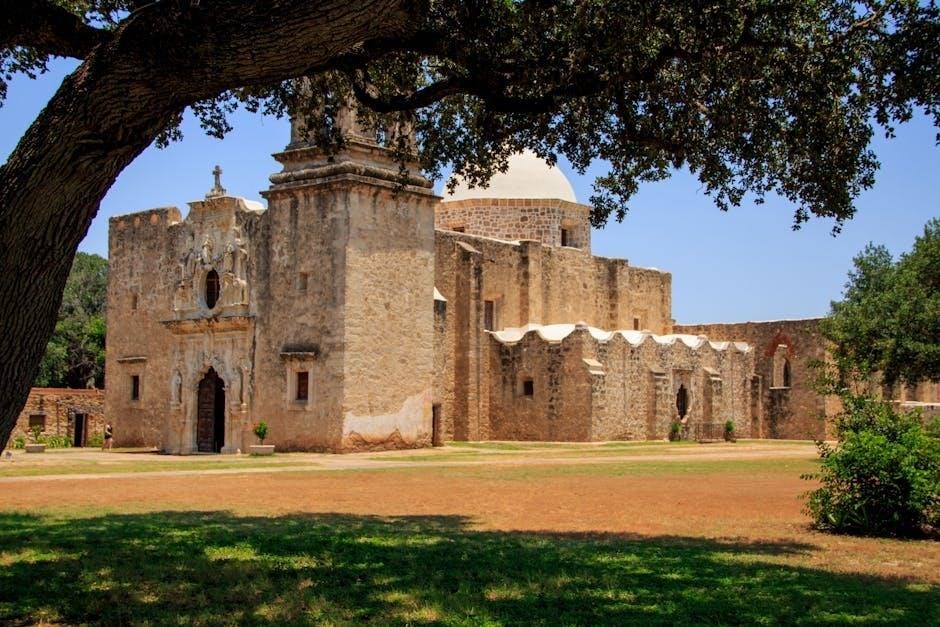
Following independence, San Antonio continued to be a vital center for commerce and governance. Its strategic location facilitated trade and communication, contributing to the growth of the newly formed Republic of Texas. Throughout the 19th and 20th centuries, the city witnessed waves of immigration and economic development, solidifying its place as a cornerstone of Texas identity and heritage. Its historical landmarks continue to draw visitors and serve as powerful reminders of the state’s complex past.

Early Inhabitants and Indigenous Cultures
Before European arrival, diverse indigenous groups thrived in the San Antonio region, adapting to the environment and establishing unique cultural traditions and ways of life.
The Payaya Indians
The Payaya were a Coahuiltecan-speaking people who inhabited the area surrounding present-day San Antonio, Texas, for centuries before European contact. They were a nomadic group, relying on hunting, gathering, and limited agriculture for sustenance. Their territory stretched across a significant portion of South Texas, and they were known for their adaptability to the challenging environment.
Archaeological evidence suggests the Payaya lived in small, mobile bands, following seasonal food sources. Their diet consisted of deer, buffalo (later introduced), small game, berries, roots, and other edible plants. They constructed temporary shelters from available materials like brush and hides. Social organization was likely based on kinship and family ties, with a relatively egalitarian structure.
The Payaya’s interactions with the Spanish missionaries in the 18th century proved devastating. Disease, forced labor, and the disruption of their traditional way of life led to a significant decline in their population. While attempts were made to integrate them into the mission system, the Payaya faced immense hardship and cultural loss. Today, their legacy lives on through historical records and the ongoing efforts to acknowledge the rich heritage of the indigenous peoples of Texas. Their story serves as a poignant reminder of the impact of colonization on native populations.
Coahuiltecan Presence
The Coahuiltecan peoples represent a diverse group of nomadic hunter-gatherer tribes who originally inhabited a vast region of South Texas and northeastern Mexico, including the area now known as San Antonio. Rather than a single unified tribe, “Coahuiltecan” is a linguistic and cultural designation encompassing numerous smaller bands with related languages and customs.
These groups shared a similar lifestyle adapted to the arid and semi-arid environment. They were highly mobile, following seasonal food sources like deer, javelina, rabbits, and various edible plants. Their material culture was simple, utilizing readily available resources for tools, clothing, and shelter. Social structures were generally egalitarian, organized around family and kinship networks.
Upon the arrival of the Spanish, the Coahuiltecan faced immense pressure. Disease epidemics, coupled with forced assimilation into the mission system, dramatically reduced their numbers and disrupted their traditional way of life. Many Coahuiltecan groups were absorbed into larger tribal entities or simply disappeared from historical records. Their enduring legacy, however, remains a vital part of the cultural heritage of South Texas, reminding us of the region’s complex and often tragic past.

Spanish Colonial Period (1718-1821)
Spain’s influence profoundly shaped San Antonio, establishing missions and presidios. This era defined the city’s architecture, culture, and social structure for generations to come.
Founding of the Mission San Antonio de Valero (The Alamo)
Established in 1718 as Mission San Antonio de Valero, the site initially served as a home for indigenous peoples and a Spanish attempt to integrate them into colonial society. The mission’s early years were marked by challenges, including disease, supply shortages, and fluctuating relationships with local Native American groups. It wasn’t simply a religious outpost; it was a complex community striving for self-sufficiency through agriculture, ranching, and crafts.
Over time, the mission evolved, its stone structures gradually replacing earlier, more temporary buildings. The iconic church, though never fully completed according to original plans, became a central feature. The mission’s purpose extended beyond conversion; it aimed to provide education, vocational training, and a structured life for its inhabitants. However, the mission system faced increasing criticism and ultimately, declining influence as Spanish control waned and indigenous populations resisted assimilation. By the early 19th century, it transitioned into a military outpost, eventually becoming known as the Alamo, a name that would forever be etched in Texan history.
Establishment of Presidio San Antonio de Béxar
In 1718, alongside the founding of Mission San Antonio de Valero, the Spanish established the Presidio San Antonio de Béxar. This fortified military outpost was crucial for protecting the mission and the surrounding settlements from hostile Native American groups, particularly those who resisted Spanish encroachment. The presidio wasn’t merely a defensive structure; it functioned as a center of Spanish authority and a symbol of colonial power in the region.
Constructed initially from wood and later reinforced with stone, the presidio housed soldiers and their families, creating a small but vital community. It served as a base for patrols, expeditions, and negotiations with various indigenous tribes. Life within the presidio was disciplined and demanding, focused on maintaining order and defending Spanish interests. Over time, a civilian population grew up around the presidio, forming the nucleus of what would become the city of San Antonio. The presidio’s strategic location and robust defenses played a pivotal role in securing Spanish control over the area and fostering its long-term development.

Spanish Governance and Daily Life
Spanish rule in San Antonio, during the colonial period, was structured around a hierarchical system. The governor, appointed by the Spanish crown, held ultimate authority, overseeing both military and civilian affairs. Beneath him were various officials responsible for administering justice, collecting taxes, and managing local resources. Daily life revolved around the missions and the presidio, with a strong emphasis on religious observance and agricultural pursuits.
The mission system dictated much of the indigenous population’s existence, aiming to convert them to Christianity and integrate them into Spanish society. However, this process was often fraught with hardship and resistance. Spanish settlers engaged in ranching, farming, and trade, establishing a distinct colonial lifestyle. Social life centered on the church and the plaza, where community gatherings and celebrations took place. While the Spanish sought to impose their culture and laws, a unique blend of Spanish, indigenous, and, later, Mexican influences began to shape the character of San Antonio, laying the foundation for its future identity.

The Texas Revolution (1835-1836)
Texan discontent with Mexican rule escalated, igniting the Revolution. San Antonio became a crucial focal point, witnessing intense conflict and ultimately, a defining moment in Texas history.

The Battle of the Alamo
The Battle of the Alamo, a pivotal event in the Texas Revolution, unfolded in February and March of 1836. A small force of Texan defenders, numbering around 200, occupied the Alamo Mission, a former Spanish outpost in San Antonio. This garrison, comprised of volunteers including the famed frontiersman Davy Crockett and Jim Bowie, faced a vastly superior Mexican army led by General Antonio López de Santa Anna – estimates ranging between 1,800 and 6,000 soldiers.
The siege lasted thirteen days, marked by intense bombardment and skirmishes. Despite being heavily outnumbered, the Texan defenders displayed remarkable courage and resilience, holding off repeated assaults. However, on March 6th, Santa Anna launched a final, overwhelming attack. The Alamo fell after a fierce battle, and nearly all of the Texan defenders were killed.
While a military defeat, the Battle of the Alamo became a powerful symbol of Texan resistance and a rallying cry for independence. The defenders’ sacrifice inspired others to join the Texan cause, ultimately contributing to the victory at the Battle of San Jacinto just weeks later. The phrase “Remember the Alamo!” echoed throughout Texas, fueling the fight for freedom.
The Siege and its Aftermath
Following the fall of the Alamo on March 6th, 1836, the immediate aftermath was marked by a brutal display of force by Santa Anna’s Mexican army. The surviving defenders, including a few women and children, were executed. The Alamo itself was largely dismantled, and the bodies of the Texan defenders were burned on funeral pyres – a deliberate act intended to demoralize the Texan resistance.
News of the Alamo’s fall spread quickly throughout Texas and the United States, initially causing widespread dismay and fear. However, this tragedy quickly transformed into a potent symbol of Texan courage and determination. The narrative, though often romanticized, fueled a surge in volunteer recruitment for the Texan army.
Sam Houston, commander-in-chief of the Texan forces, strategically retreated eastward, allowing Santa Anna to pursue. This tactical withdrawal bought Houston valuable time to regroup and prepare for a decisive confrontation. The siege’s aftermath, though devastating, ultimately galvanized Texan resolve and set the stage for the pivotal Battle of San Jacinto, where the tide of the revolution would turn.
Impact on the Texas Revolution
The Battle of the Alamo, despite being a military defeat for the Texians, exerted a profound and ultimately decisive impact on the course of the Texas Revolution. The heroic defense, and subsequent fall, of the Alamo became a rallying cry – “Remember the Alamo!” – that galvanized support for the Texan cause both within Texas and across the United States.
The sacrifice at the Alamo dramatically increased volunteer enlistments for the Texan army, providing Sam Houston with the manpower necessary to challenge Santa Anna’s forces. Financial contributions also surged, bolstering the Texan war effort. The delay imposed on Santa Anna’s advance, due to the siege, proved strategically valuable, allowing Houston to organize and prepare his troops.
More than a military event, the Alamo transformed into a powerful symbol of Texan independence and resistance against tyranny. This symbolic weight fueled the Texan determination to secure their freedom, ultimately contributing significantly to their victory at San Jacinto and the establishment of the Republic of Texas.
19th Century Growth and Development
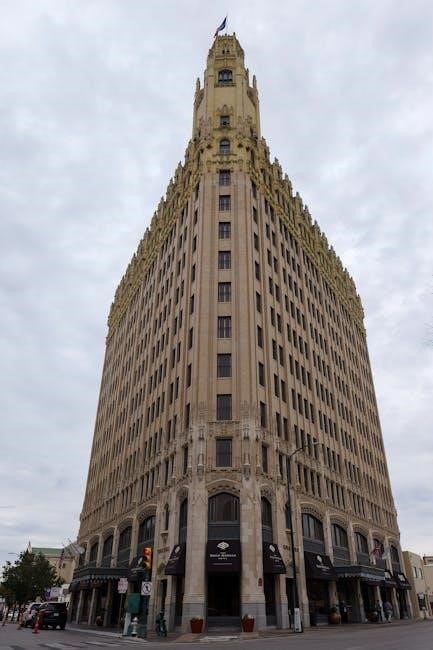
San Antonio experienced substantial growth, fueled by immigration and economic opportunities. New industries emerged, transforming the city into a vital commercial hub within the expanding state of Texas.
German Immigration and Influence
Throughout the 19th century, San Antonio witnessed a significant influx of German immigrants, profoundly shaping the city’s cultural landscape. These newcomers, often skilled farmers, artisans, and merchants, sought economic opportunities and a new life in Texas. They established distinct communities, bringing with them traditions, architectural styles, and entrepreneurial spirit.
The influence of German culture is still visible today in many aspects of San Antonio life. German societies and organizations flourished, fostering a strong sense of community and preserving their heritage. They contributed significantly to the development of local businesses, particularly in brewing, agriculture, and retail. German-language newspapers and schools helped maintain their language and cultural identity.
Architectural remnants of this period can be found in the historic districts of San Antonio, showcasing the distinctive German building styles. Furthermore, German culinary traditions, such as sausage making and beer brewing, became integral parts of the city’s gastronomic scene. The legacy of German immigration continues to enrich San Antonio’s diverse cultural tapestry, making it a unique and vibrant city.
Railroads and Economic Expansion
The arrival of railroads in the mid-19th century dramatically transformed San Antonio, propelling it into a new era of economic growth and prosperity. Prior to rail connections, the city’s economy relied heavily on ranching and limited agricultural output, with transportation hampered by long distances and challenging terrain.
Railroad lines connected San Antonio to major markets across Texas and beyond, facilitating the efficient movement of goods and people. This spurred significant growth in industries like cattle ranching, as ranchers could now easily ship their livestock to distant buyers. Agricultural production also increased, as farmers gained access to wider markets for their crops.

The railroad boom attracted new businesses and investment to San Antonio, leading to the development of new commercial districts and infrastructure. The city became a vital transportation hub, serving as a gateway for trade and travel. This period of rapid economic expansion laid the foundation for San Antonio’s future growth and established it as a major economic center in South Texas, fostering a diverse and dynamic economy.

San Antonio in the 20th and 21st Centuries
Throughout recent decades, San Antonio has experienced substantial growth, evolving into a major cultural and economic hub while preserving its unique heritage and charm.
Military Presence (Fort Sam Houston, Lackland AFB)
San Antonio’s longstanding relationship with the U.S. military is a defining characteristic of the city, deeply interwoven into its economic and cultural fabric. Fort Sam Houston, established in 1872, initially served as a frontier post and evolved into a crucial medical training center. Its historical significance extends to World War I and II, and it continues to play a vital role in modern military medicine, housing the Brooke Army Medical Center.
Lackland Air Force Base, founded in 1931, is primarily known as the gateway for basic military training for all branches of the U.S. Air Force and Space Force. Beyond basic training, Lackland hosts specialized schools and units focused on intelligence, surveillance, and reconnaissance. The base significantly contributes to the local economy, providing numerous jobs and attracting a diverse population of service members and their families.
The combined presence of these installations, along with others like Camp Bullis, creates a substantial military community within San Antonio, fostering a unique blend of civilian and military life. This presence has consistently stimulated economic growth, supported local businesses, and contributed to the city’s diverse population and vibrant culture.
Tourism and the River Walk
San Antonio’s tourism industry is largely anchored by the iconic River Walk, a network of walkways along the banks of the San Antonio River, winding through the heart of the city. Originally developed in the 1930s as a flood control project, it has blossomed into a world-renowned destination, attracting millions of visitors annually.
The River Walk is lined with restaurants, shops, hotels, and attractions, offering a vibrant and picturesque experience. Boat tours provide a unique perspective of the city, while the surrounding pathways are perfect for leisurely strolls. The area hosts numerous events throughout the year, including festivals, concerts, and cultural celebrations.
Beyond the River Walk, San Antonio boasts other popular attractions like the Alamo, Spanish colonial missions (a UNESCO World Heritage Site), and historic Market Square. The city’s rich cultural heritage, combined with its modern amenities, makes it a compelling destination for both domestic and international travelers, significantly boosting the local economy and creating a lively atmosphere.
Modern San Antonio: Culture and Economy
Contemporary San Antonio presents a dynamic blend of tradition and innovation, fostering a diverse cultural landscape. The city’s artistic scene thrives with numerous galleries, museums – including the McNay Art Museum and the San Antonio Museum of Art – and performance venues. A strong emphasis on preserving its Hispanic heritage is evident in its music, cuisine, and annual celebrations like Fiesta.
Economically, San Antonio has diversified beyond its military and tourism base. Key sectors include healthcare, bioscience, financial services, and manufacturing. The presence of major corporations and a growing entrepreneurial ecosystem contribute to a stable and expanding economy.
The city actively promotes innovation and workforce development, attracting investment and talent. While maintaining its historical charm, San Antonio continues to evolve as a modern metropolitan center, balancing economic growth with cultural preservation and a commitment to enhancing the quality of life for its residents and visitors alike.
San Antonio’s story is one of resilience, adaptation, and a unique cultural fusion. From its indigenous roots and Spanish colonial past to its pivotal role in the Texas Revolution and its modern evolution, the city has consistently demonstrated an ability to honor its heritage while embracing progress.
The Alamo stands as a powerful symbol of courage and sacrifice, while the River Walk embodies the city’s commitment to revitalization and community. San Antonio’s diverse population, vibrant arts scene, and thriving economy contribute to its enduring appeal.
Looking ahead, San Antonio is poised to continue its growth as a major cultural and economic hub in Texas and beyond. Its dedication to preserving its historical identity, fostering innovation, and celebrating its multicultural character ensures that its legacy will endure for generations to come, offering a compelling narrative of the American experience.